
Real Chats with AI | November 2026
Timeless Architecture — Designed to Endure
An interview with Christopher Tucker, AIA, Founder of MODE4 Architecture
Introduction
What makes a home timeless?
Is it an architectural style that never goes out of fashion? Familiar forms that evoke a sense of comfort? Or is timelessness something deeper, something rooted in quality, craftsmanship, and the ability to endure?
In this month's Real Chats with AI, we explore why some homes remain relevant across generations while others seem dated almost as soon as they're built. Along the way, we consider the role of authenticity, warmth, and thoughtful planning in creating architecture that stands the test of time.
Q1: Is timelessness a quality that transcends architectural style, or is traditional architecture inherently more timeless than modern design?
CT: I think timelessness has a great deal to do with quality, authenticity, and craftsmanship rather than any particular architectural style.
Traditional architecture, when it's designed and built well, can be extraordinarily timeless. There's an attention to proportion, detailing, and craftsmanship that allows these buildings to endure. They feel authentic.
But there's plenty of phony colony architecture out there. Homes that borrow recognizable colonial features but lack the proportions, depth, and craftsmanship that make the originals compelling. They replicate the appearance without capturing the substance.
There's also something about familiar architectural forms that contributes to timelessness. Recognizable roof shapes, building volumes, scale, and details can evoke memories or sensations. They're easily understood. They feel familiar.
On the other hand, some architecture is very much of its time. Think about postmodernism, futurism, or the computer-driven forms associated with architects like Frank Gehry and Morphosis. These buildings can be remarkable, but they also reflect a particular architectural moment.
At MODE4, our quietly modern work draws from regional vernacular architecture as well as enduring modern traditions, particularly Scandinavian modernism. These are architectural languages that have developed over generations.
Timelessness isn't necessarily about style. It's about the authenticity, quality, and care with which architecture is conceived and constructed.
Q2: Does a home need to feel familiar to be timeless, or can architecture that initially feels unfamiliar become timeless?
CT: I believe a home needs to have familiar, warm qualities.
There's something about architecture that we recognize instinctively. It might be the shape of a roof, the scale of an opening, the proportions of a room, or the way materials come together.
Those familiar qualities can evoke a memory or a sensation. They help us understand a building and feel comfortable within it.
That doesn't mean a home needs to look traditional. Modern architecture can be just as warm and familiar when it draws upon recognizable forms and enduring design traditions.
For me, timelessness isn't simply about whether a building looks appropriate 30 or 50 years from now. It's also about whether it continues to feel welcoming and relevant.
Warmth and familiarity give architecture an emotional endurance that goes beyond appearance.
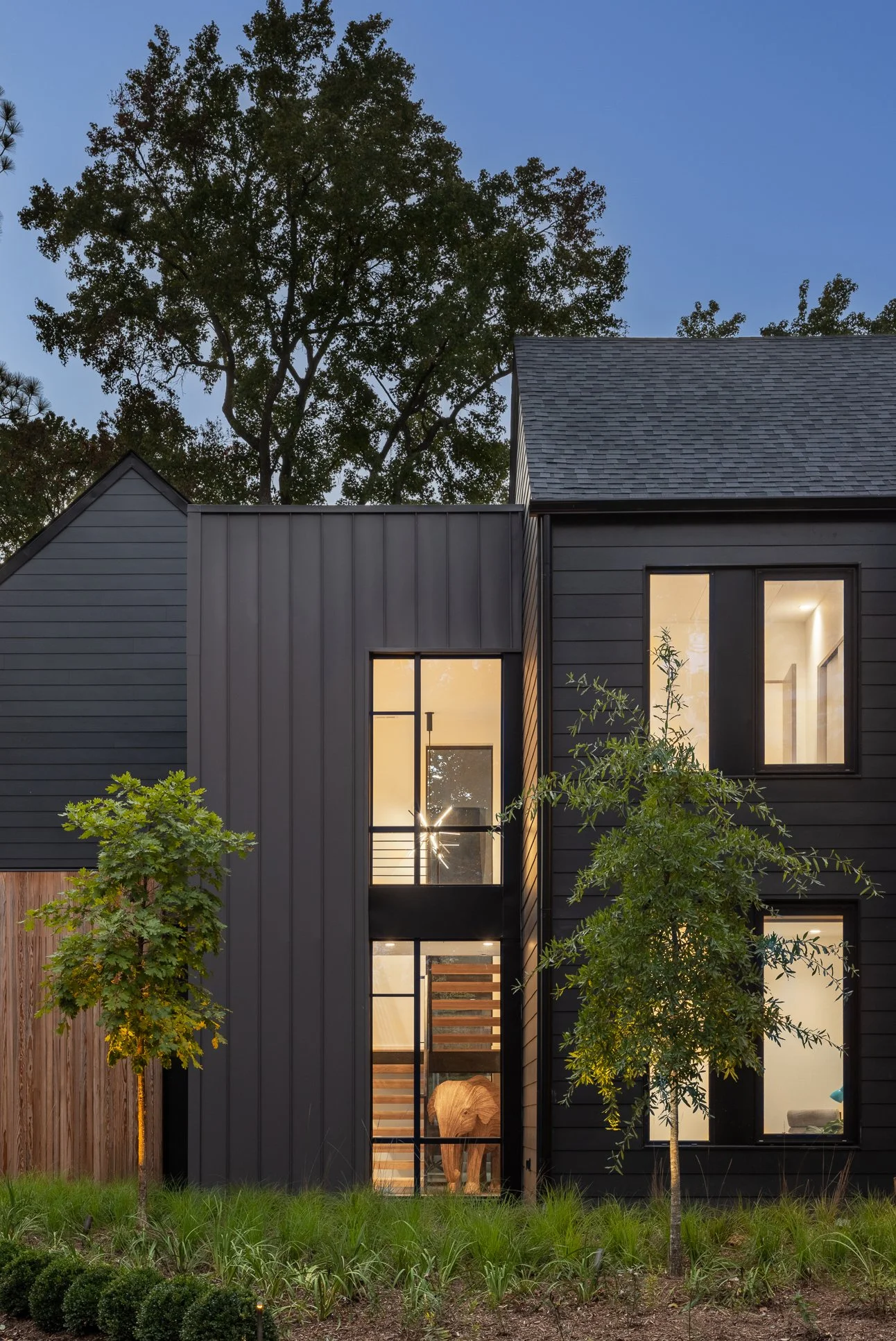
At MODE4’s Three Notes, familiar forms inspired by Mount Vernon’s agricultural architecture are reinterpreted through a contemporary design language, showing a rectangular “silo” nestled in the crook where two gabled forms meet.
Q3: When designing a modern home, what architectural decisions help it feel warm, familiar, and welcoming rather than cold or overly contemporary?
CT: I think the word endurance is a useful substitute for timelessness. And where endurance and warmth overlap is in the use of materials, details, scale, and form.
When we think about homes that lack endurance, we often think about speculative construction, builder-grade homes, tract housing, or those phony coloneys. They suggest a certain architectural style but frequently lack the substance and craftsmanship to sustain it.
Consider our River House project. It's set in a field along the water, and we used natural stone and standing-seam metal roofing. These are materials with strong agrarian associations. They're durable, authentic, and appropriate to the setting.
But we also introduced large openings to express a more modern ideal. The result is a home that draws upon familiar architectural traditions while establishing its own contemporary identity.
Our Three Notes project takes a similar approach. The towers recall the silos and barns that once dotted the Virginia landscape. We used standing-seam metal roofing and familiar building forms, including strong gables balanced with flat or parapet roofs.
These are recognizable forms, expressed in a contemporary way.
When it comes to warmth, I think it really boils down to four things: scale, form, materiality, and details.
Scale includes proportion, particularly human proportion. Form involves familiar shapes and volumes that give architecture a recognizable character. Materiality is about the richness and authenticity of the materials themselves.
And then there's detailing. The depth of a window reveal, the profile of a molding, or the layering of trim can bring richness and warmth to a space. These are the elements that give architecture its depth and character.
The richer the wood, the warmer the sensation. The more thoughtfully we layer details, the more inviting a space can become.
I sometimes think of layering architectural trim and details as being like placing a blanket over someone's shoulders. There's a sense of comfort and warmth that comes from that layering.
And when these elements are thoughtfully composed, a home can feel both modern and enduring.
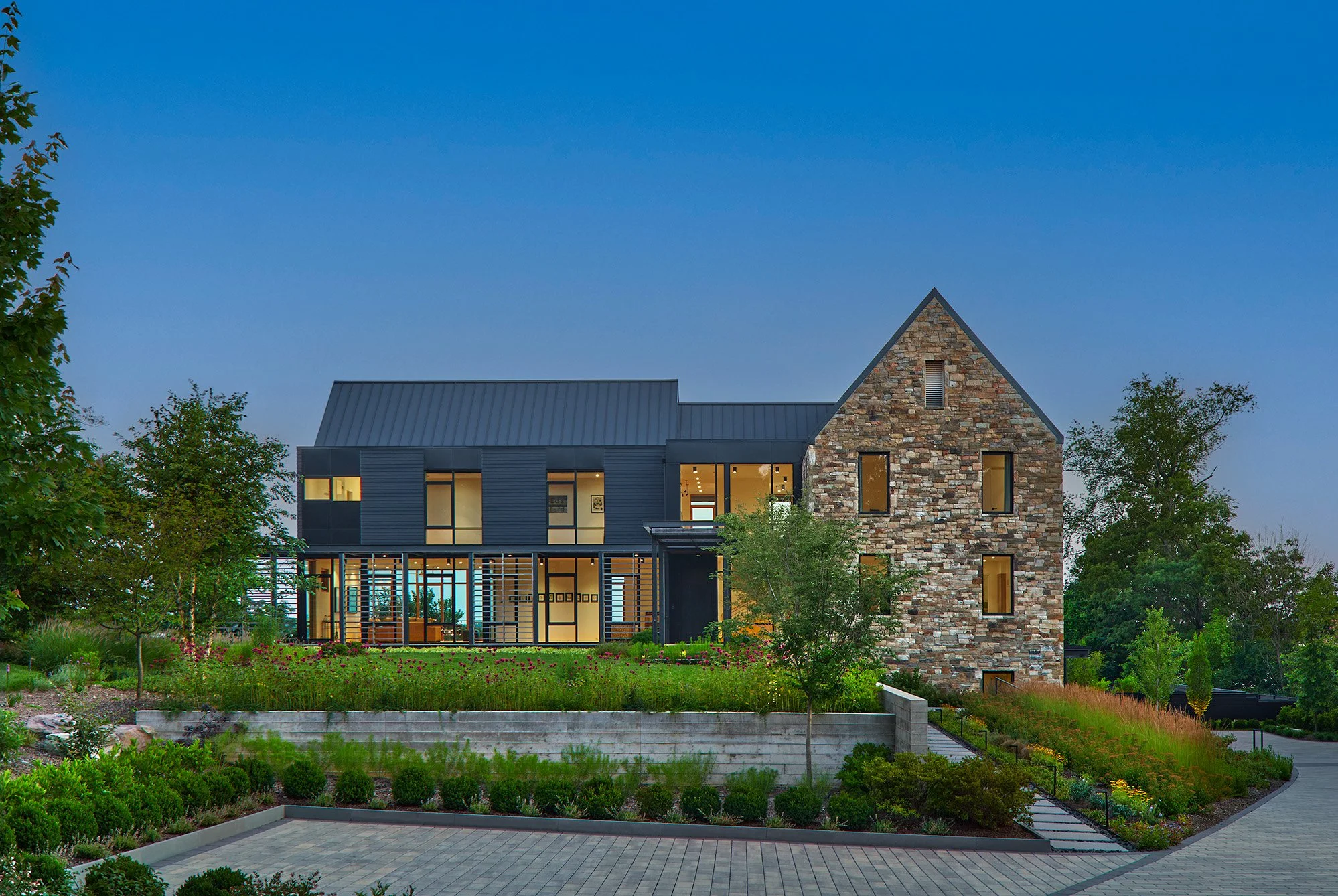
MODE4’s The Edge of Forever house draws upon familiar agrarian materials and forms, combining natural stone and metal roofing with expansive openings that introduce a contemporary expression.
Q4: How much does timelessness depend on a home's ability to accommodate change as the lives of its occupants evolve?
CT: I think that begins with good planning.
When a home is designed well, it can more naturally transform as the lives of its occupants change. A growing family may need additional space. An empty-nester couple may find themselves using fewer rooms, only to have those spaces come alive again when children and grandchildren return.
A good plan allows those changes to happen without the home feeling awkward or unnecessarily large.
The same is true of smaller starter homes. When the underlying organization is thoughtful, they can accommodate additions and adaptations as families grow.
We can see this in historic farmhouses and estate homes that have evolved over generations. These buildings often grew incrementally, with additions that responded to changing needs while preserving the character of the original architecture.
There are also wonderful examples of well-designed townhouses that have accommodated changing uses and natural adaptations over time.
For a building to endure, it needs the capacity to evolve.
Timelessness isn't about preserving a home in a fixed condition. It's about creating architecture with enough clarity and flexibility to remain useful, comfortable, and appropriate through different stages of life.
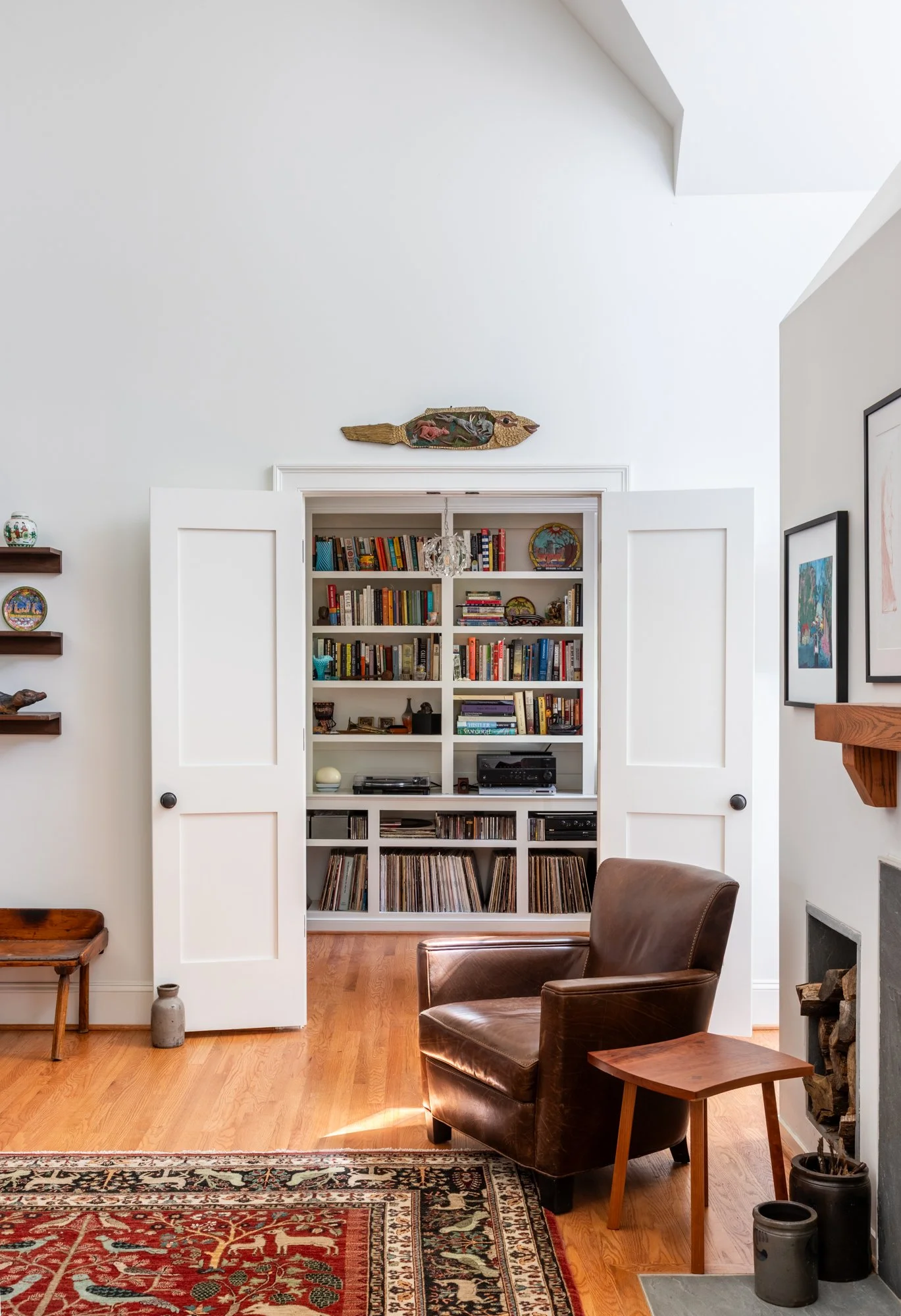
The Craftsman Conversion project by MODE4 shows a relaxed sitting area along side a fireplace, and a former small office space reimagined as an empty-nester’s “vinyl room” visible beyond.
Q5: Does a home become more timeless when it feels rooted in its setting, or can architecture stand apart from its surroundings and still endure?
CT: I believe an enduring building can stand on its own and still be timeless.
That doesn't mean context is unimportant. Quite the opposite. A thoughtful architectural response begins with understanding the context, including scale, dimensions, detailing, and style.
But responding to context doesn't necessarily mean reproducing the architecture around you.
A contemporary home can be quite different from its neighbors while still respecting the qualities of its setting. It might respond through proportion, building mass, materials, or the way details are composed.
What matters is the integrity of the design and the honesty of the craftsmanship.
If those decisions are thoughtful and well executed, I believe we can achieve durable, timeless architecture in almost any location.
A building doesn't have to look like its neighbors to belong among them.
Closing Reflection
Perhaps timelessness is less about escaping the influence of time and more about designing architecture capable of enduring it.
A timeless home doesn't have to belong to a particular historical style. It can be traditional or modern, familiar or distinctive. But it should be thoughtfully proportioned, honestly constructed, warm in character, and capable of accommodating the changing lives of its occupants.
At MODE4, the goal isn't to create architecture that simply looks timeless.
It's to create homes that endure.